Comedy Horror · Team Project
Boom! Haunted
A comedy-paranormal adventure about a dramatic ghost and the world's most clueless NPC — team-built game design and 3D modeling, plus a solo UI/UX pass now in usability testing.
About the Game
You play as a dramatic, over-the-top ghost trapped in a tiny haunted room with the world's most clueless NPC — Timmy. Your only goal? Haunt him. Annoy him. Possess him. Make sure he knows he's not alone… even if he desperately wishes he was.
Explore the room, pick objects to possess, and unleash chaotic hauntings just to watch his reactions spiral. Enjoy the pure, stupid, delightful haunting energy.
It's spooky, it's silly, it's unhinged, and every scare comes with a punchline that hits harder than Timmy's mom's roasts.
My Contributions
- Game Design: Co-designed core haunting mechanics and interaction systems
- 3D Modeling: Created the Timmy character model
- Narrative: Co-wrote dialogues, character voice, and comedic tone
- Voice Acting: Performed voice work for the game
- UI/UX Design: Led the full interface system — title screen, HUD, pause, and win/fail states — from paper sketch through digital wireframes, now in usability testing
Designing the Interface
The player is the ghost, so the UI needed a subtle ghostly, playful character rather than reading as a generic game menu. The first pass was a rough flow sketch mapping every screen the player would move through: title, a brief tutorial beat, the haunting intro, two in-room exploration states tied to a hauntings meter, a game-over screen, and post-game dialogue. Even at this stage the team was editing its own language in real time — an early "hooray you did it!" was flagged in the margin for a better word before it ever reached a wireframe.
The panel shape that carries the title, and later the win/fail states, has hand-drawn wriggly edges on all sides — an early version only wriggled on two sides and got sent back for revision, along with the button color, which went through a real debate between red, wood, and blue before landing on a warm khaki that reads calmer against the near-black background.
.png)
.png)
.png)
.png)
.png)
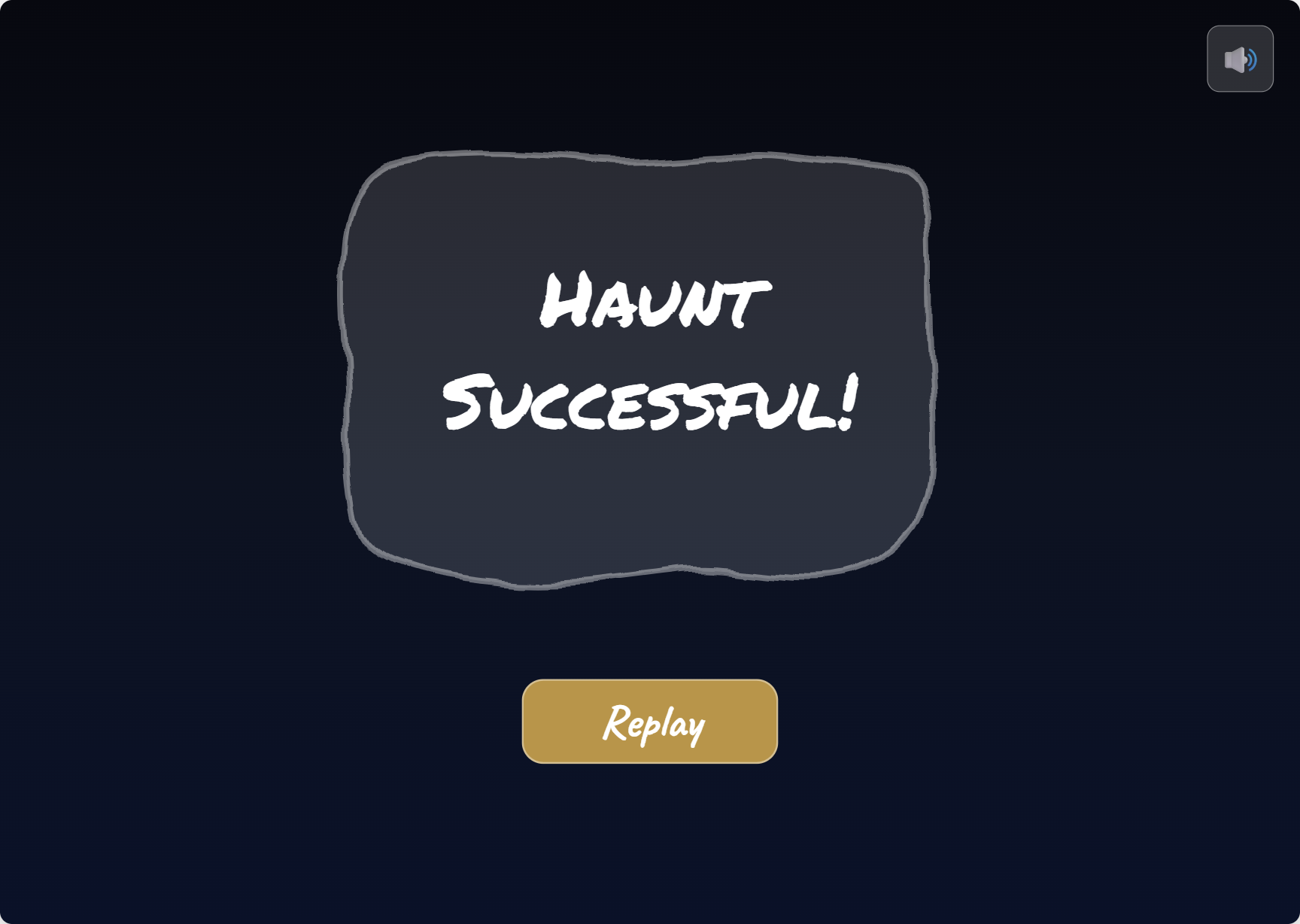
I led the visual and interaction design, working from the team's early flow sketches and informed by usability heuristics like visibility of system status. I used AI-assisted tools (Claude Design) to accelerate mockup production, directing and refining every generated screen — final design decisions, creative direction, and refinement were mine.
Where this stands: the core wireframe flow is complete end to end — title through win/fail states. It hasn't been in front of anyone outside the team yet; a first outside playtest is happening now, watching specifically for whether the controls overlay reads clearly and whether the comedy timing lands with people who didn't build it.
3D Character Modeling Process
Timmy's character model — built from scratch in Blender, progressing from reference sketch to final low-poly model.
Early Exploration
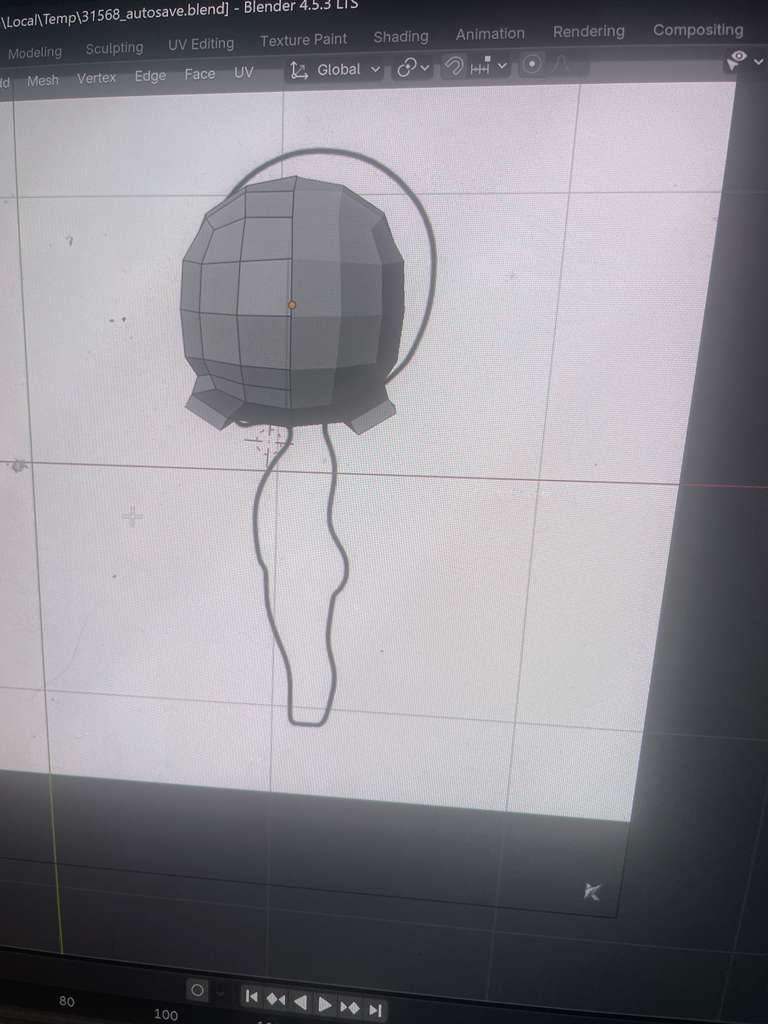 Reference + Head Sculpt
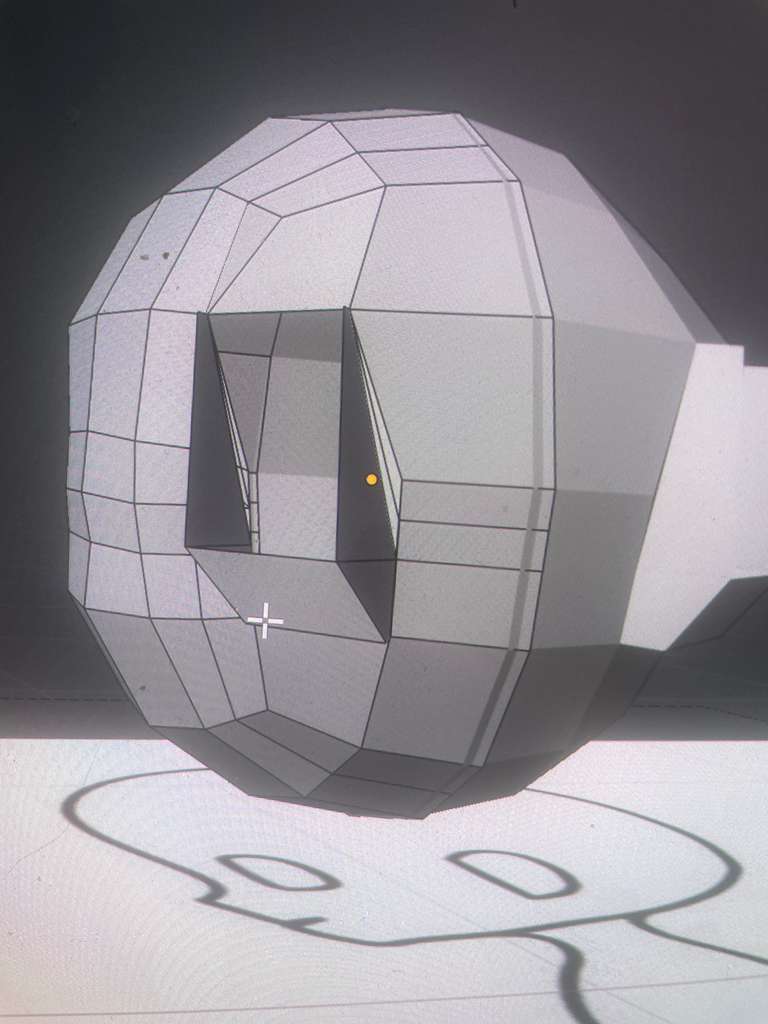 Head Topology
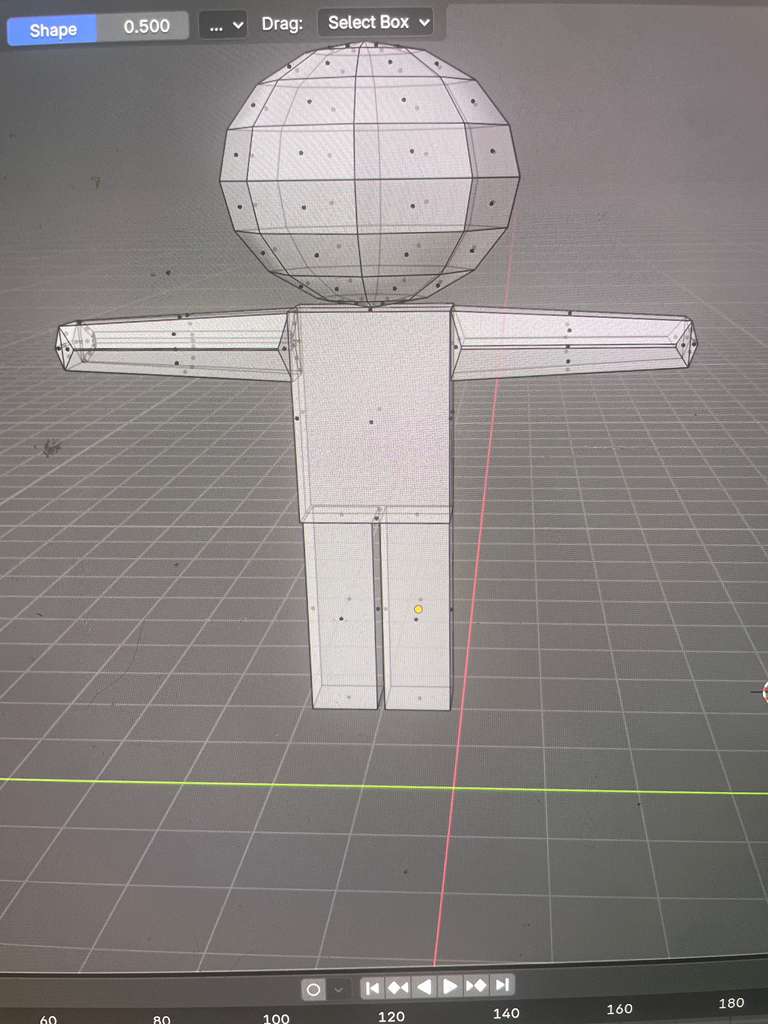 Body Blockout
Refinement
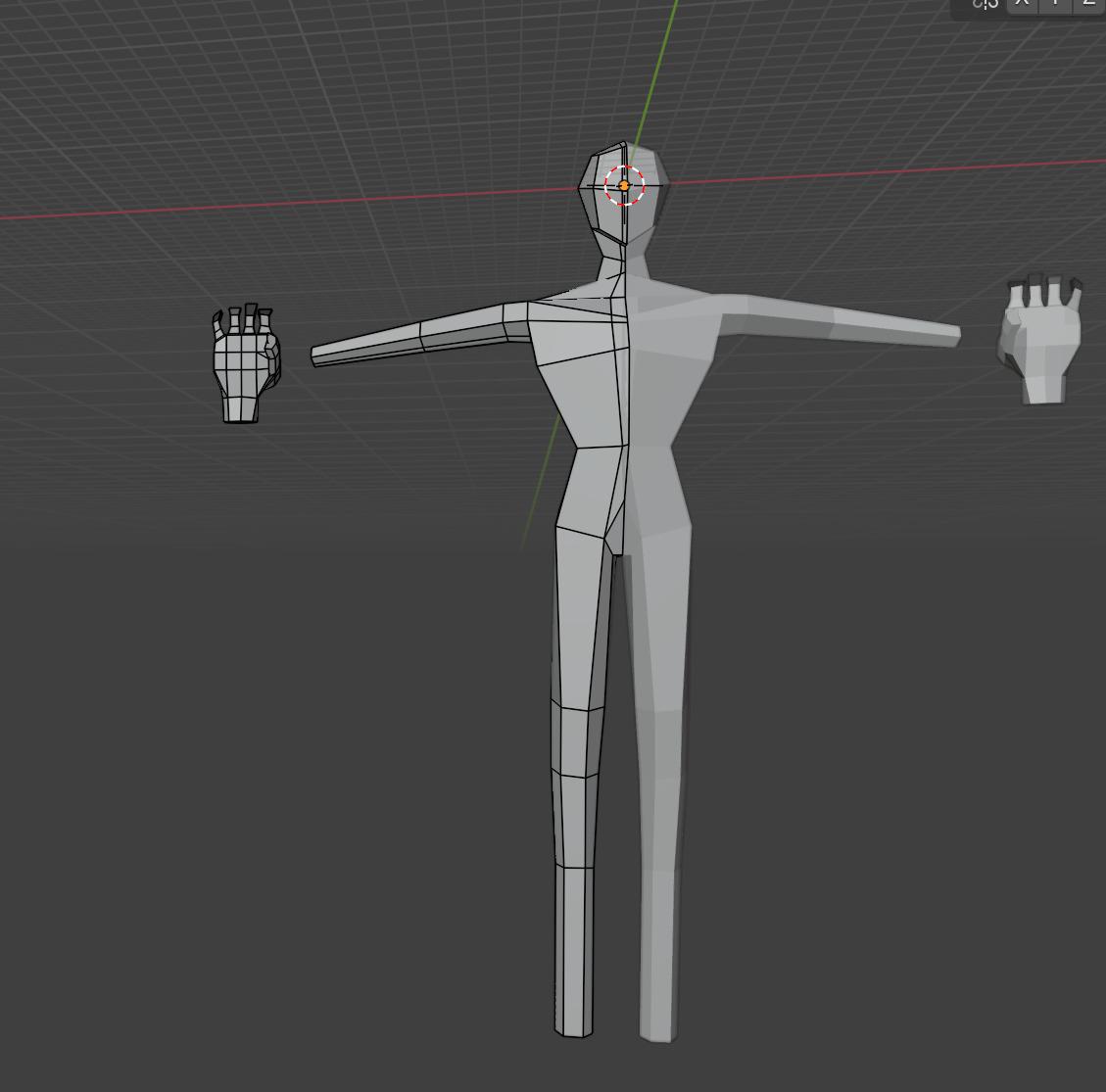 Wireframe Detail
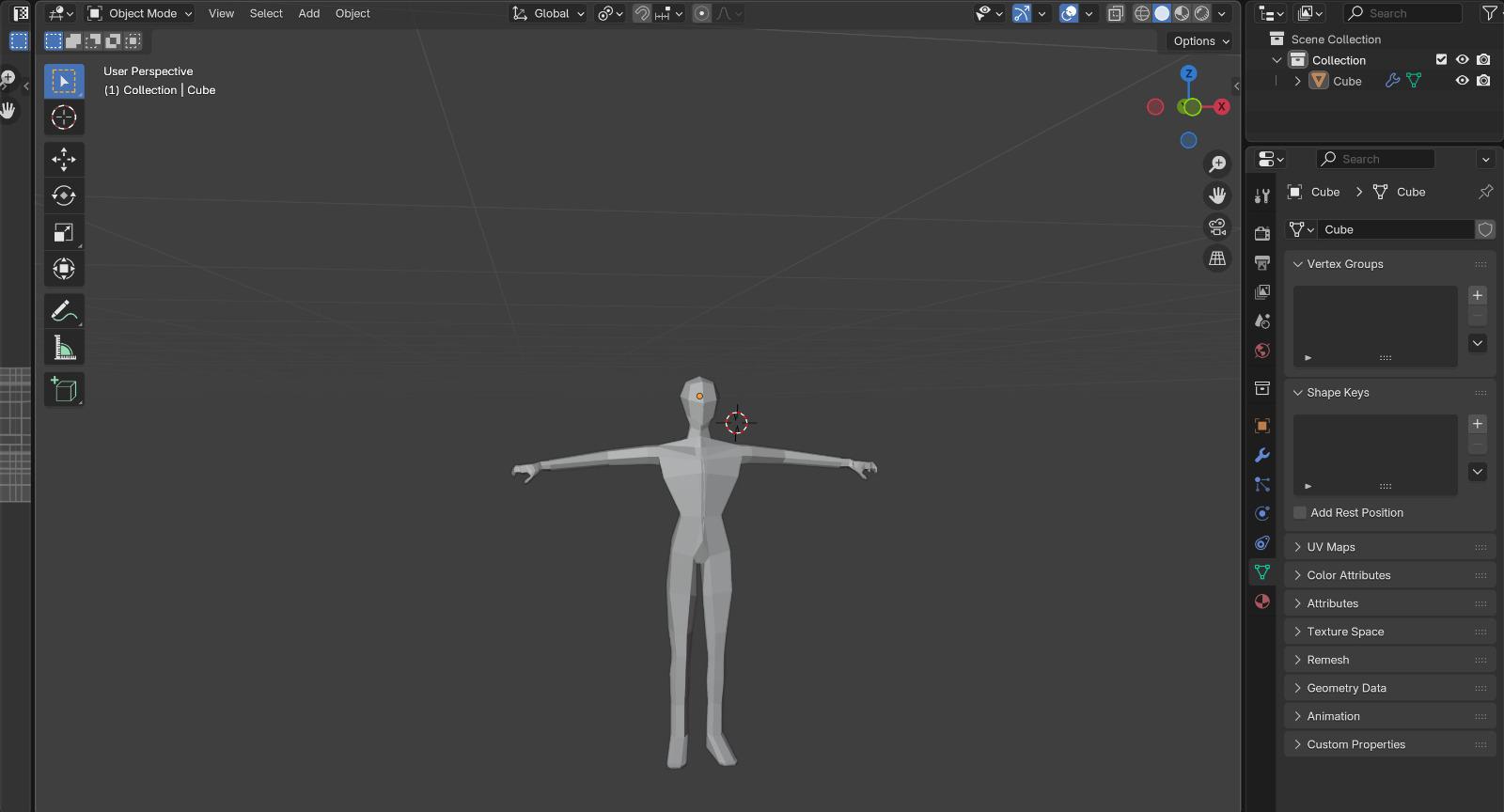 T-Pose Model
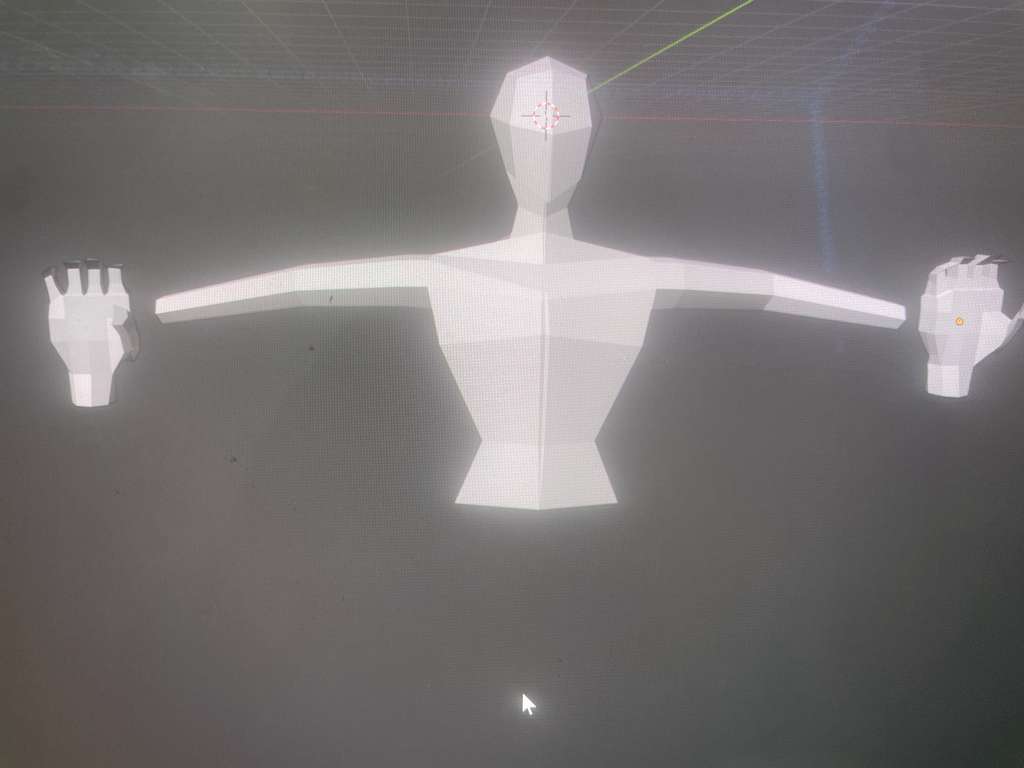 Refined T-Pose
Final Model
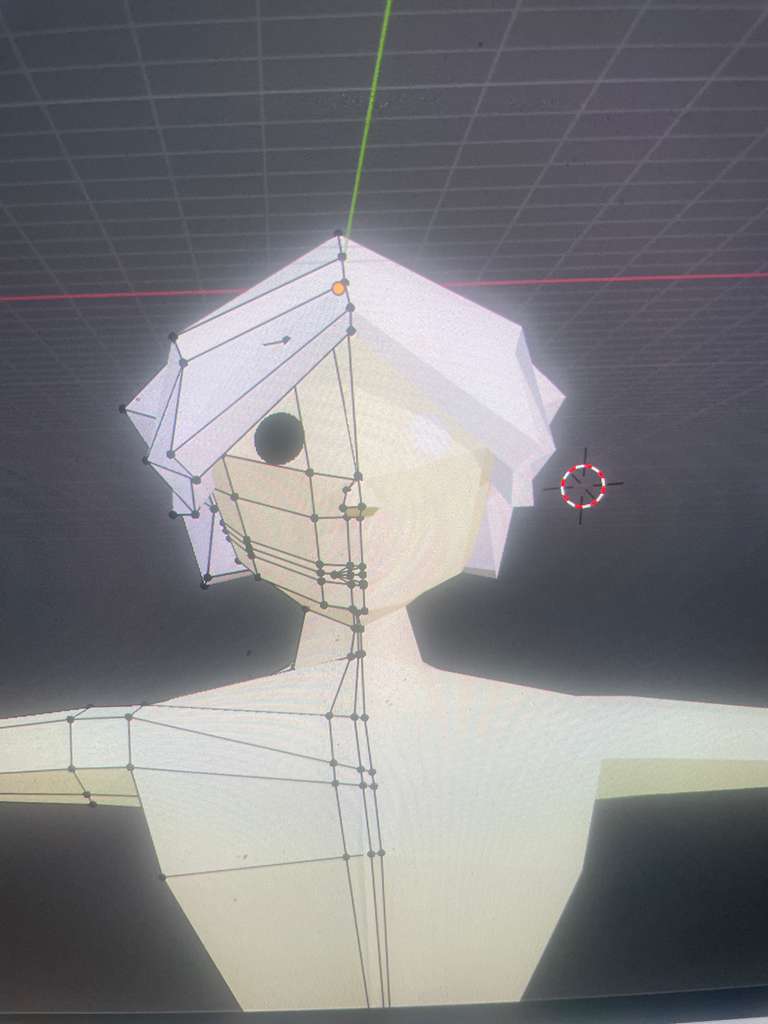 Hair Sculpt
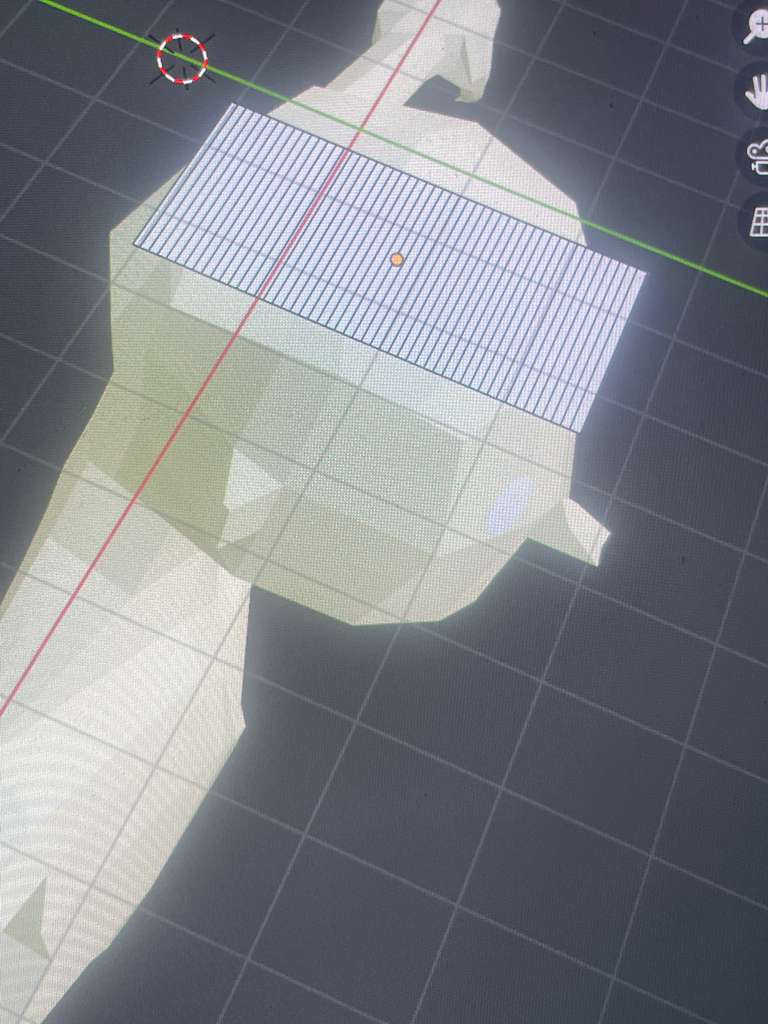 Hair Details
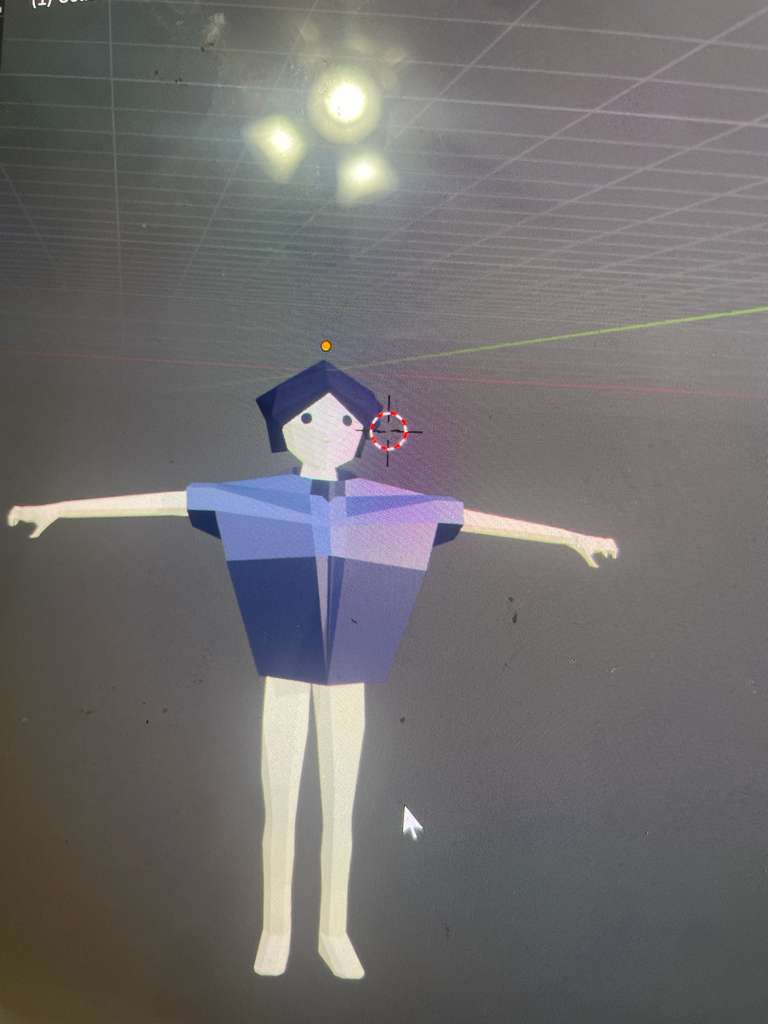 Final — With Color
The Team
Lavanya Chatel
Game Design, Environment Design, 3D Modeling, Narrative, Sound Design, Voice Acting
Sana Afreen
Game Design, 3D Modeling, Narrative, Voice Acting
Aqeel Akbari
Game Design, Programming, Interactions, Unity Implementation, Voice Acting
Reflection
What I'd do differently: bring outside playtesters in earlier for the comedy timing specifically. We tuned Timmy's reactions and the haunting beats against our own sense of humor as a team, and jokes that land with the people who built them don't always land with someone seeing it cold. A few rounds with friends outside the project would have told us which beats actually needed the punch-up.